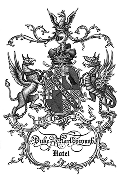
The Duke of Marlborough has been at the heart of Russell since 1827, surviving fires, battles, and centuries of owners. From Johnny Johnston, an ex-convict well regarded locally, to today’s Mein hosts, the Duke has welcomed whalers, traders, and A-listers alike. Guests now enjoy modern comforts while walking through a living piece of history, from musket-marked walls to centuries-old stories – a place where the past can truly be seen, felt, and touched.
The Duke of Marlborough began its life in 1827 as “Johnny Johnstons Grog Shop”. The owner Johnny Johnston was an ex convict come good, he became fluent in Te Reo and was very well regarded by the local Māori. This relationship led to Johnny being able to purchase the freehold site of the Duke – which was one of the first land sales to a European in New Zealand. To bring dignity to Kororāreka’s rough reputation, he quickly renamed his hotel The Duke of Marlborough, after the world’s richest man at the time, signaling respect, elegance and opulence in what was known as the “Hell Hole of the Pacific.
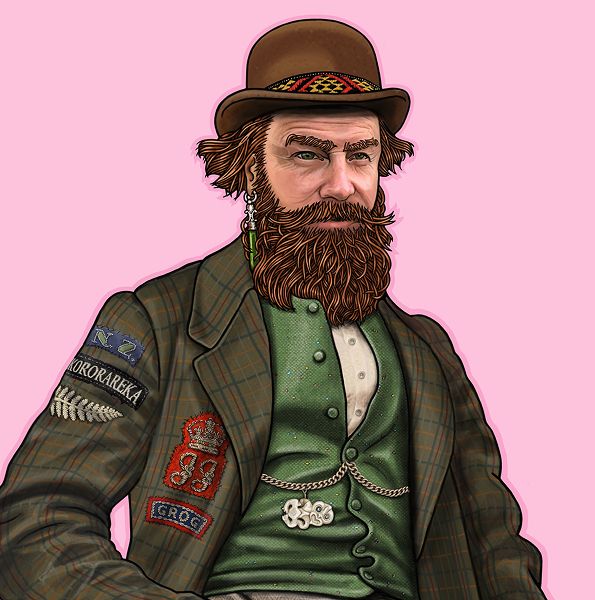
In the 1830s, Russell or Kororāreka, as it was known then, was the biggest whaling port in the Southern Hemisphere and turned out to be a bit of an eye opener for the missionaries.
Up to 500 whalers at a time would arrive in Russell after twelve months at sea, with Russell having no effective law enforcement agency, the scene wasn’t ideal. Prostitution was one of the area’s largest industries and many local women frequently entered into 3 week marriages.By all accounts, Johnny was a well trusted man and assisted in the translation of the treaty of Waitangi to the Maori – it is rumoured he was worried that the Maori version did not quite equate to the English version (it still pays to listen to your publican!)
After the Treaty of Waitangi in 1840, New Zealands first government was formed just down the road in Okiato, and started treating to bring the famed lawlessness to an end.With Johnny being so well known in the local area, it’s no surprise he managed to swing the very first liquor license for his establishment (the colonial treasurer was a close friend). After 13 years of serving whalers, traders, and… less reputable patrons, Johnny the ex-con was officially “all legal.”
The licence now hangs proudly in a gold frame in the bar, where sharp eyed history buffs have pointed out a reference to the succession of Queen Victoria from her father. The first Duke building was burnt in 1845 during the battle of Kororāreka, but Johnny quickly rebuilt and his family retained the Duke of Marlborough to 1878.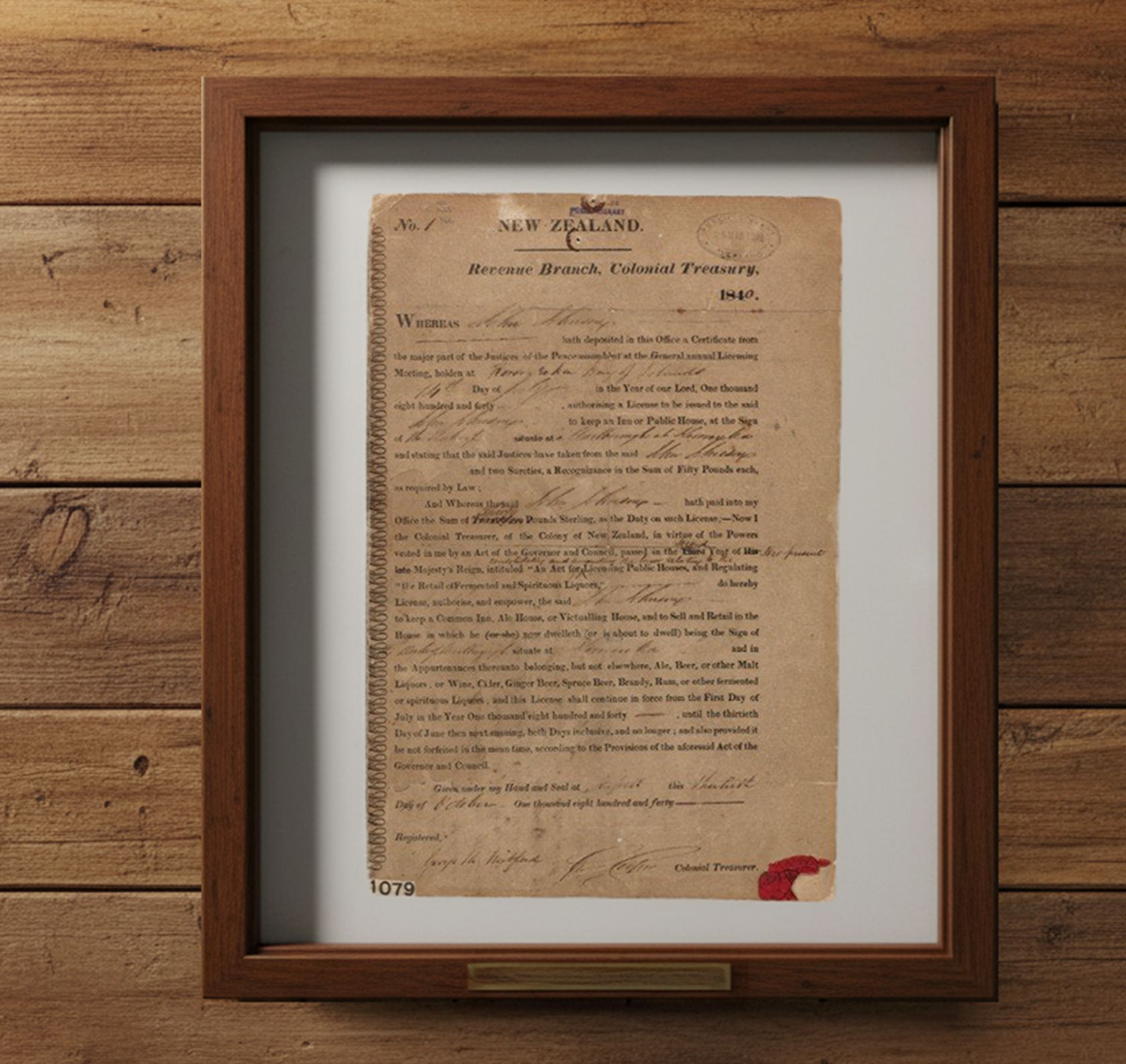
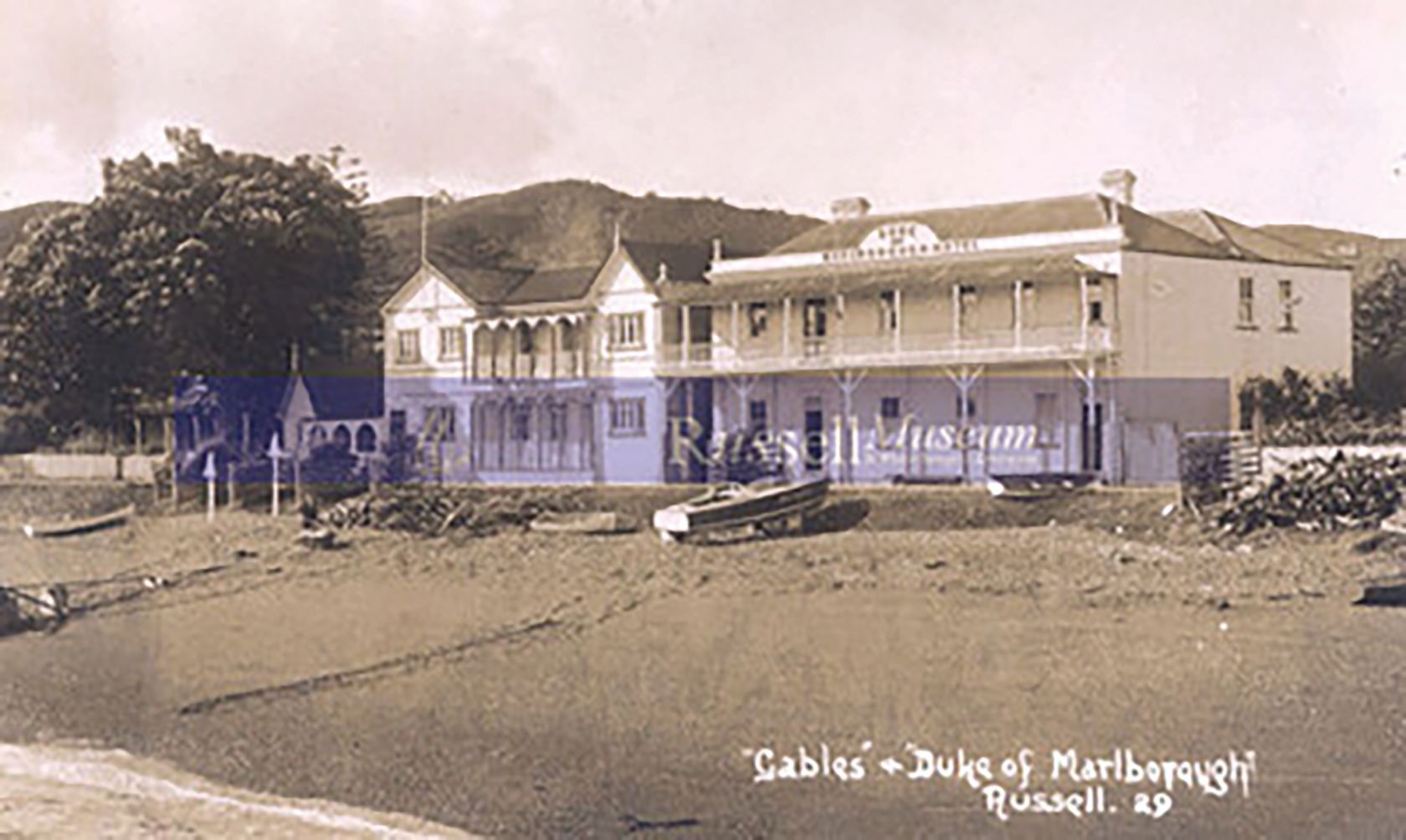
From 1923 to 1974 the Duke was owned by Hancock Hotels, now part of Lion Breweries empire. The second building burned in 1931, and the current third building, originally built in 1875 for Cable Bay telegraph workers, was shipped down the coast and dragged into place by steam traction engine in 1932.
In 1974, entrepreneur Wayne Young took over the Duke in exchange for several of his Taranaki bars. He lifted service and food standards, and with business booming, he controversially expanded across the road, convincing authorities to extend his license and kicking off the pub’s truly golden era. This was the start of the truly golden Duke of Marlborough trading days.In 1983, Wayne Young sold the Duke’s lease to Karl Andersen. The early 80s were a time of share market hype, and Karl brought the Duke to Auckland’s A-listers, serving Dom Perignon and crayfish lunches to guests arriving by seaplane.
Karl also launched the Duke of Marlborough South Pacific Billfish Tournament, attracting over 500 anglers competing for more than $100,000 in prizes—a bold move for a 25-room hotel in a town of 800.
The share market crash, followed by the 1991 liquor licence boom, hit the Duke hard, leading to significant revenue losses for both the hotel and Russell.Russell is one of New Zealand’s most unique towns, where you can walk through history itself.
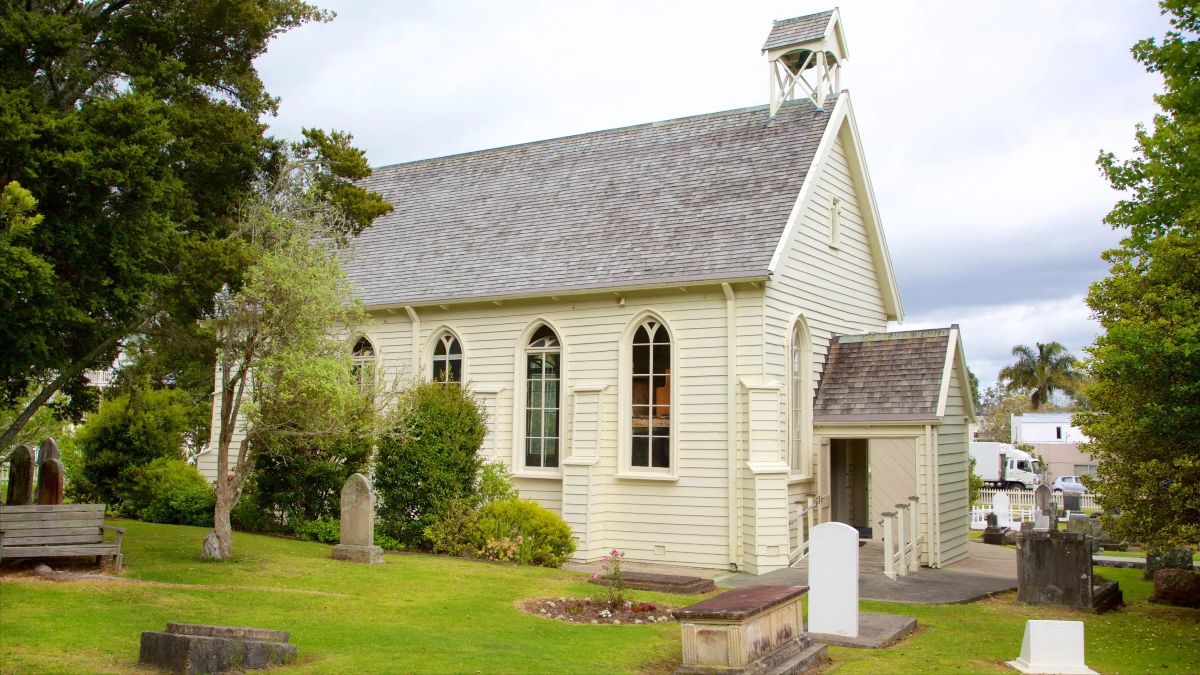
Christ Church, New Zealand’s first church, still bears musket scars from the Battle of Kororāreka. Its grounds hold the graves of Tamati Waka Nene, one of the first chiefs to sign the Treaty of Waitangi, Hannah King Letheridge, the first white woman born in New Zealand, and others who fell in the battle.
Even one of the first donations for the church came from Charles Darwin, who could hardly believe the “very refuse of society” he saw in Russell.
A short 15-minute walk from the Duke brings you to Hone Heke’s famous flagpole stand at Flagstaff, the site of his iconic defiance against the British.
Nearby, Pompallier House, New Zealand’s first Catholic mission and printing press, preserves the story of early missionaries and the work that shaped the region.
The Russell Museum houses an extensive collection of relics from the whaling era, Māori and European interactions, and the Battle of Kororāreka, offering visitors multiple ways to explore and connect with the town’s rich, layered history.
After Karl Andersen, the Duke was sold to Dell Gifford and friends, who made it famous for Devonshire teas. In 2003, Frenchman Arnauld Kindt renovated the accommodation with en-suites and a sprinkler system, lifting the hotel’s star rating.
Your current Mein hosts, Jayne Shirley, Riki Kinnaird, Bridget Haagh and Anton Haagh, fell in love with the Duke during summer vacations from Otago University and purchased it in 2010. Today, guests can enjoy modern comforts while walking through a living piece of history, from musket-marked walls to centuries-old stories that fill every corner of Russell – a place where the past can be seen, felt and touched.The Duke of Marlborough’s logo blends the original Duke of Marlborough crest with nods to Russell’s local history. The word Kororāreka, Russell’s original name, means “sweet penguin” and recalls a story of a Māori chief who, after being injured in battle, asked for a broth of sweet penguin to restore his health – hence the penguin in the top right of the shield.
The bottom left features a harpoon and skinning knife, representing both Māori and European histories, making the logo a visual celebration of the town’s rich past.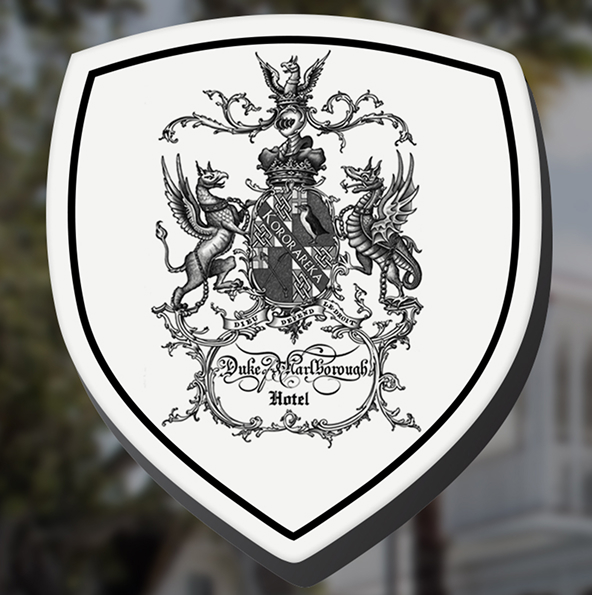
If The Duke holds a place in your heart and your next escape is never far from mind, consider this your personal dispatch.
Be the first to know what’s on, what’s pouring, and what mischief awaits – right here at the Bay of Islands’ most historic address.